Introduction
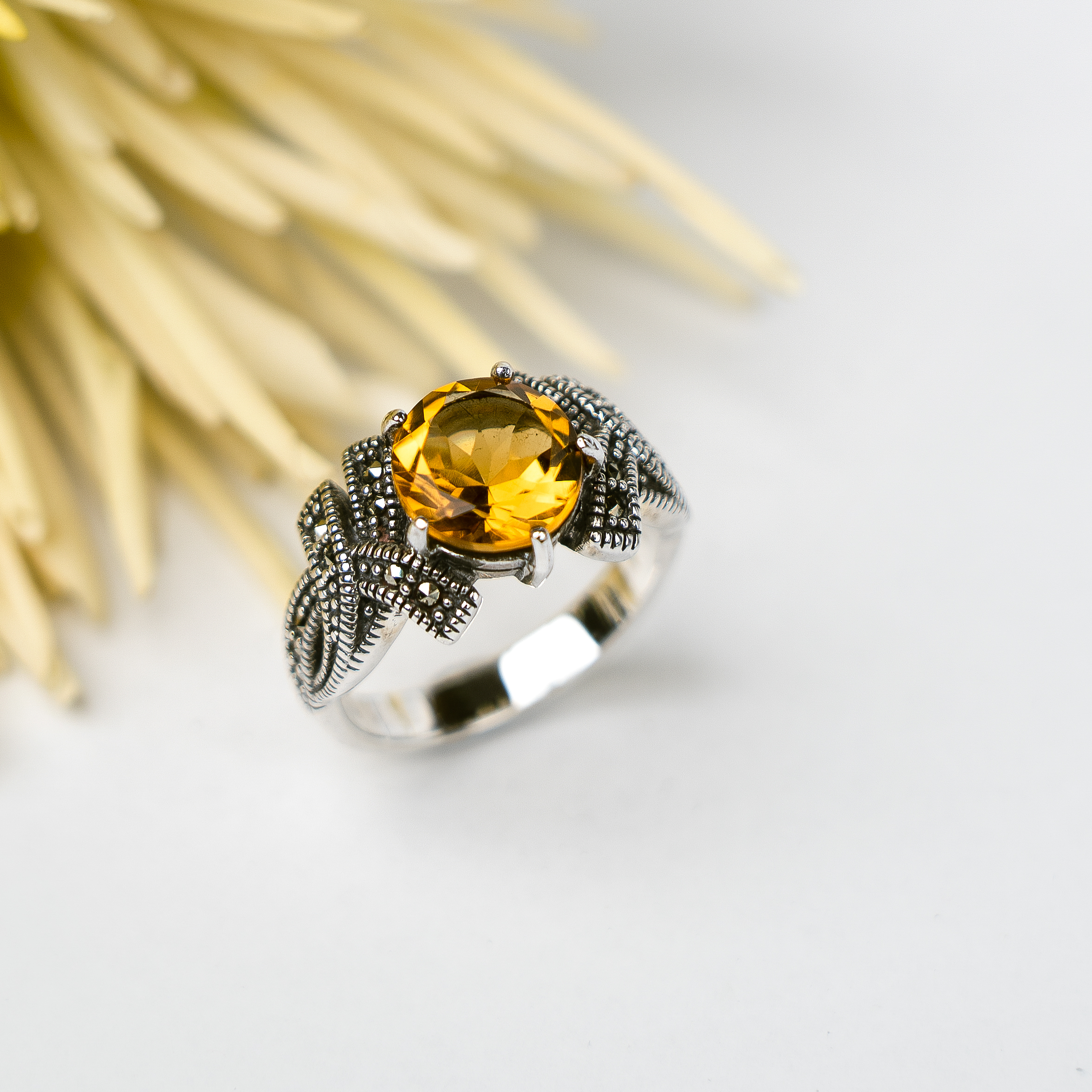
High-quality product photography is one of the most important factors in the success of an online jewellery business. Unlike physical retail stores where customers can examine jewellery in person, online shoppers rely entirely on images to evaluate products. The quality of product photos directly influences customer trust, engagement, conversion rates, and purchasing decisions.
Jewellery photography presents unique challenges because jewellery pieces are often small, highly reflective, and detailed. Capturing sparkle, texture, gemstones, and metal finishes requires careful planning, proper equipment, and effective lighting techniques. Fortunately, achieving professional-looking jewellery photos is possible even without an expensive studio setup.
This guide explores essential jewellery photography tips for online stores, including equipment recommendations, lighting techniques, composition strategies, editing methods, and optimization practices that help create attractive product images.
Why Jewellery Photography Matters
Product photography serves as the online customer’s first impression.
Benefits of high-quality jewellery photography include:
- Increased customer trust
- Higher conversion rates
- Better product presentation
- Stronger brand image
- Improved search performance
Professional images help customers feel more confident when making purchasing decisions.
Understanding the Challenges of Jewellery Photography
Jewellery is one of the most difficult product categories to photograph.
Small Product Size
Jewellery pieces often contain intricate details.
Capturing these details requires:
- Precision
- Proper focus
- Appropriate camera settings
Reflective Surfaces
Metals such as:
- Gold
- Silver
- Platinum
reflect surrounding objects and lighting.
Managing reflections is a major challenge.
Gemstone Sparkle
Gemstones need proper lighting to reveal:
- Brilliance
- Color
- Clarity
Poor lighting can make jewellery appear dull.
Accurate Color Representation
Customers expect products to match images.
Accurate color reproduction helps reduce returns and improve satisfaction.
Choosing the Right Camera
Professional results begin with suitable equipment.
DSLR Cameras
DSLR cameras provide:
- Excellent image quality
- Manual controls
- Interchangeable lenses
They remain popular among product photographers.
Mirrorless Cameras
Mirrorless cameras offer:
- Compact design
- High-resolution sensors
- Advanced autofocus systems
Many jewellery photographers prefer mirrorless systems.
Smartphone Photography
Modern smartphones can produce excellent results when paired with proper lighting and accessories.
They provide an affordable starting point.
Using a Macro Lens
Macro lenses are essential for jewellery photography.
Why Macro Lenses Matter
Macro lenses allow photographers to capture:
- Fine details
- Gemstone facets
- Metal textures
These details help customers evaluate products.
Benefits of Close-Up Photography
Detailed images showcase:
- Craftsmanship
- Quality
- Design features
This information supports purchasing decisions.
Importance of Proper Lighting
Lighting is the most critical factor in jewellery photography.
Use Soft Lighting
Soft lighting reduces:
- Harsh reflections
- Unwanted shadows
- Distracting highlights
Diffused light creates more appealing images.
Light Tents and Light Boxes
Light boxes help control reflections and distribute light evenly.
Benefits include:
- Consistent lighting
- Cleaner backgrounds
- Improved image quality
These tools are particularly useful for beginners.
Avoid Direct Flash
Direct flash often creates:
- Overexposed highlights
- Harsh reflections
- Unnatural appearance
Continuous lighting generally produces better results.
Best Backgrounds for Jewellery Photography
Background choice influences product presentation.
White Backgrounds
White backgrounds remain the industry standard.
Advantages include:
- Clean appearance
- Professional look
- Marketplace compatibility
Many eCommerce platforms prefer white backgrounds.
Neutral Backgrounds
Light gray and beige backgrounds create subtle contrast while maintaining professionalism.
Lifestyle Backgrounds
Lifestyle photography places jewellery within realistic environments.
Examples include:
- Fabric surfaces
- Wooden textures
- Natural settings
These images help customers imagine ownership.
Product Positioning Techniques
Proper positioning enhances visual appeal.
Highlight Key Features
Position jewellery to showcase:
- Gemstones
- Engravings
- Unique details
The most important elements should remain visible.
Maintain Symmetry
Symmetrical arrangements often appear more professional.
This is particularly important for:
- Earrings
- Rings
- Bracelets
Experiment with Angles
Different angles reveal different aspects of a product.
Capture multiple perspectives whenever possible.
Photographing Different Jewellery Types
Each category requires specific approaches.
Ring Photography
Focus on:
- Stone brilliance
- Band details
- Setting quality
Macro photography works especially well.
Necklace Photography
Ensure chains appear:
- Straight
- Organized
- Attractive
Use stands or invisible supports when necessary.
Bracelet Photography
Display bracelets in ways that demonstrate:
- Shape
- Clasp details
- Design features
Multiple angles improve presentation.
Earring Photography
Show earrings both individually and as a pair.
Customers appreciate clear views of size and design.
Capturing Gemstone Sparkle
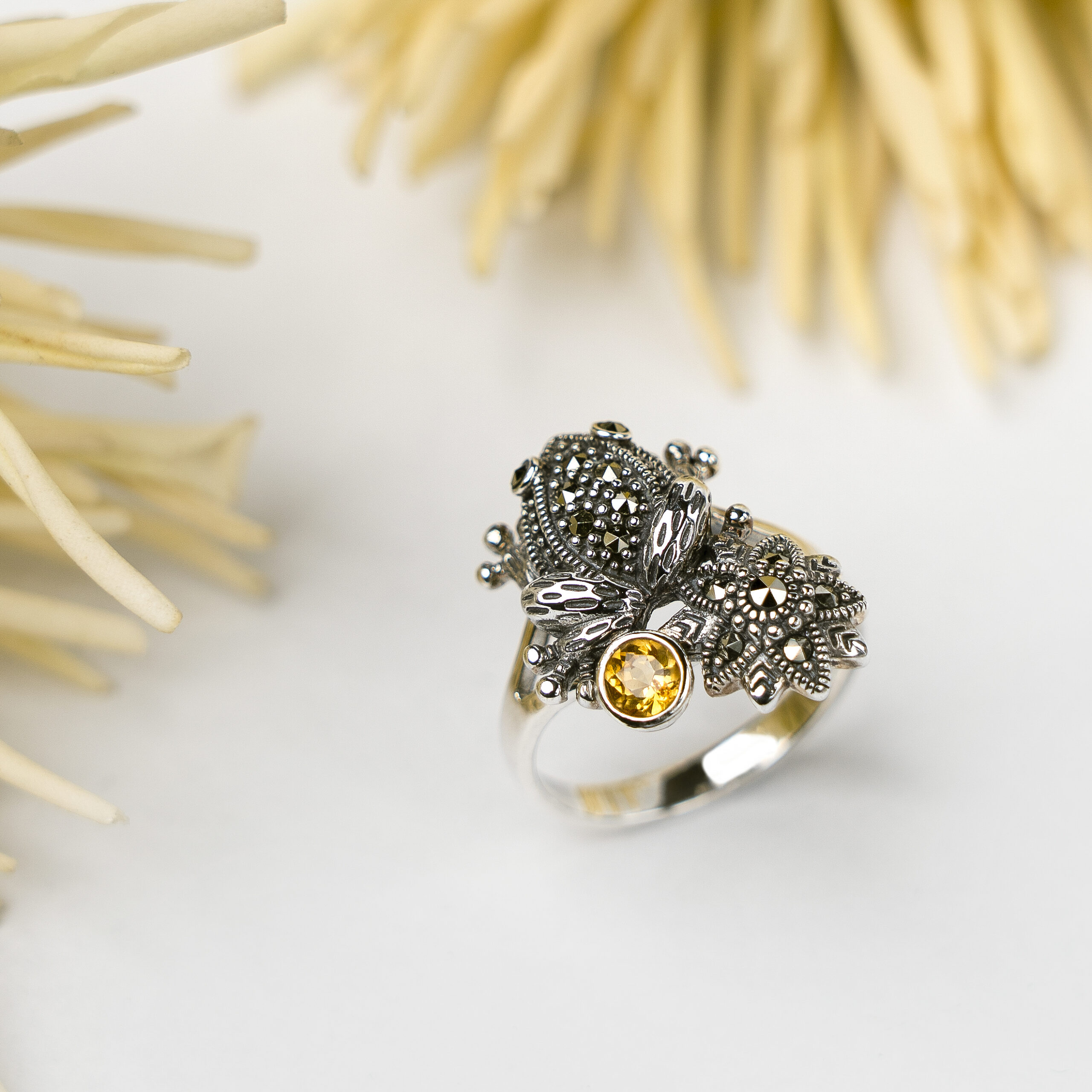
Gemstones often represent a jewellery piece’s most important feature.
Use Controlled Highlights
Carefully positioned lights can emphasize:
- Brilliance
- Fire
- Sparkle
Subtle highlights often produce the best results.
Avoid Overexposure
Too much light may wash out gemstone colors.
Balance is essential.
Multiple Light Sources
Using several diffused lights helps distribute illumination evenly.
This improves gemstone appearance.
Creating Consistent Product Images
Consistency strengthens brand identity.
Standardize Lighting
Use the same lighting setup across product categories.
Consistency creates a professional online store appearance.
Maintain Similar Angles
Consistent photography angles improve visual cohesion.
This helps customers browse products more comfortably.
Use Uniform Backgrounds
Matching backgrounds create a polished catalogue.
Professional consistency builds trust.
Importance of High Resolution
Image quality directly affects customer perception.
Benefits of High-Resolution Photos
Customers can:
- Zoom in
- Examine details
- Evaluate craftsmanship
High resolution improves confidence.
Support for Mobile Shopping
Modern shoppers frequently browse on smartphones.
Sharp images enhance mobile user experiences.
Search Engine Benefits
Optimized images contribute to better website performance and user engagement.
Editing Jewellery Photos
Editing is an important part of the photography process.
Color Correction
Ensure colors accurately represent the actual product.
Accurate color reduces customer disappointment.
Remove Dust and Imperfections
Jewellery often attracts:
- Dust
- Fingerprints
- Minor debris
Cleaning images improves professionalism.
Enhance Brightness Carefully
Subtle adjustments can improve image quality.
Avoid excessive editing that misrepresents products.
Lifestyle Jewellery Photography
Lifestyle images complement standard product photos.
Why Lifestyle Images Matter
They help customers visualize:
- How jewellery looks when worn
- Styling possibilities
- Product scale
These benefits improve purchasing confidence.
Using Models
Models provide realistic context.
Customers gain a better understanding of:
- Size
- Fit
- Appearance
Lifestyle images often increase engagement.
Fashion Storytelling
Lifestyle photography allows brands to communicate:
- Personality
- Values
- Aesthetic direction
This strengthens brand identity.
Jewellery Photography for Social Media
Social media requires different photography strategies.
Vertical Images
Vertical formats often perform better on:
- TikTok
These platforms prioritize mobile viewing.
Detail Shots
Close-up images attract attention and encourage engagement.
Behind-the-Scenes Content
Customers often enjoy seeing:
- Craftsmanship
- Production processes
- Product preparation
These images build authenticity.
Common Jewellery Photography Mistakes
Avoiding mistakes improves image quality.
Poor Lighting
Insufficient lighting creates dull, unattractive images.
Cluttered Backgrounds
Busy backgrounds distract attention from products.
Inconsistent Presentation
Inconsistency weakens brand professionalism.
Overediting
Excessive editing may create unrealistic expectations.
Authenticity remains important.
Building a Jewellery Photography Workflow
A repeatable workflow improves efficiency.
Preparation
Clean jewellery thoroughly before photographing.
Photography
Capture:
- Multiple angles
- Close-up details
- Lifestyle images
Comprehensive coverage supports sales.
Editing
Perform consistent adjustments across all images.
Optimization
Prepare files for:
- Websites
- Marketplaces
- Social media
This ensures maximum versatility.
SEO Benefits of Jewellery Photography
Photography supports search engine optimization.
Optimized File Names
Use descriptive names that include keywords.
Examples include:
- silver-ring.jpg
- diamond-necklace.jpg
Alt Text
Descriptive alt text improves:
- Accessibility
- Search visibility
Fast Loading Images
Compressed images improve website performance.
Faster websites often achieve better rankings.
Future Trends in Jewellery Photography
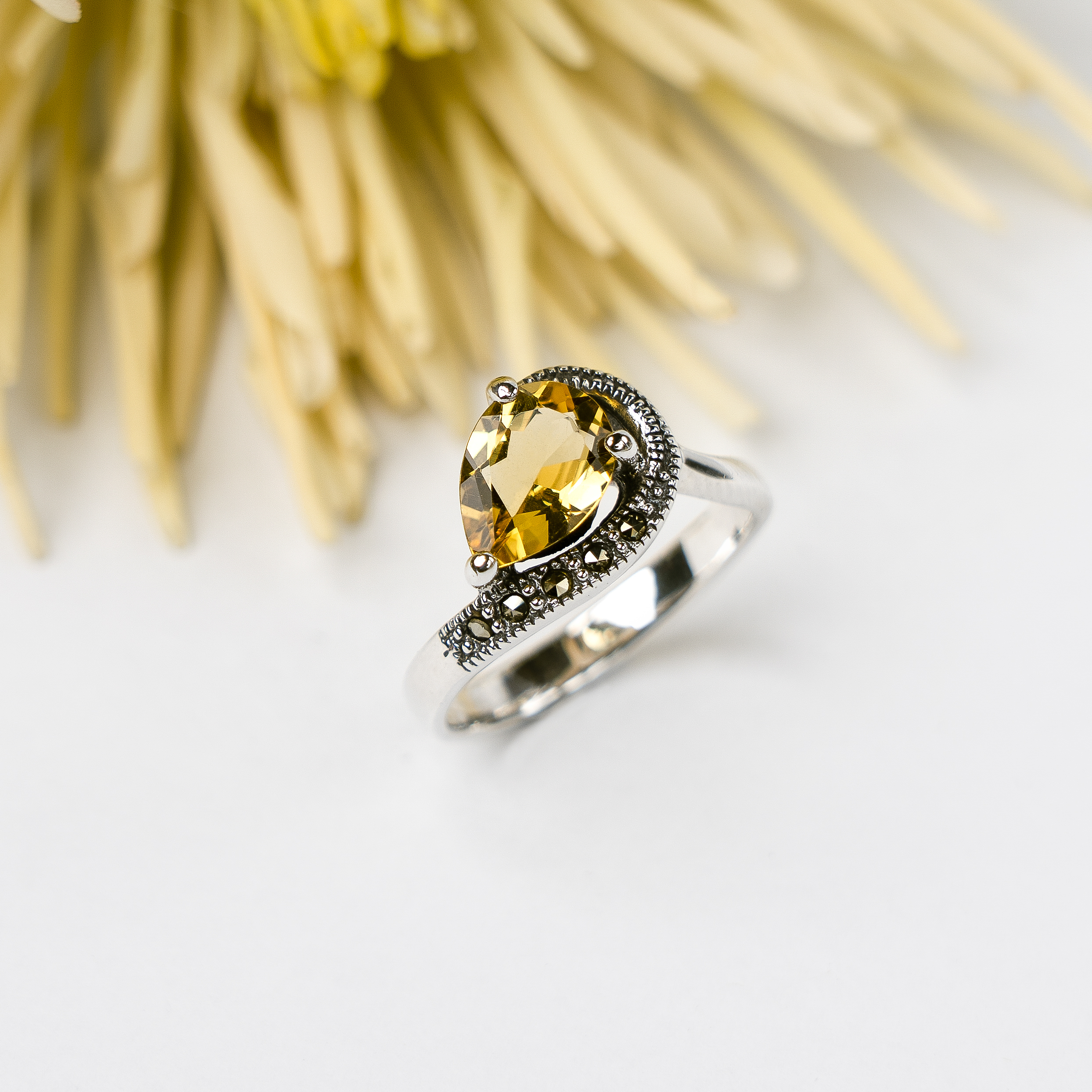
Emerging trends include:
- 360-degree product views
- Interactive galleries
- Augmented reality previews
- AI-enhanced editing
These innovations improve online shopping experiences.
Conclusion
Jewellery photography plays a critical role in the success of online stores. High-quality images help showcase craftsmanship, build customer trust, and increase sales. By using proper lighting, macro lenses, consistent backgrounds, and thoughtful composition, jewellery businesses can create professional product photography that enhances brand credibility and customer engagement.
Whether operating a small online boutique or a large jewellery eCommerce store, investing time and effort into jewellery photography can significantly improve product presentation and overall business performance.