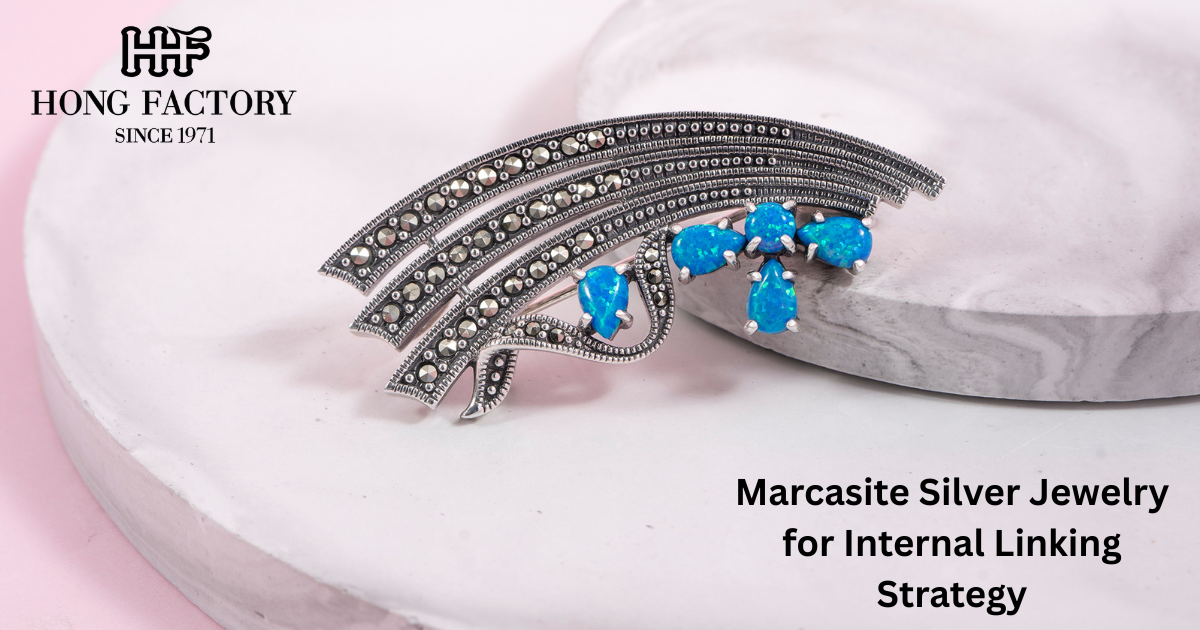
Marcasite silver jewelry websites can significantly improve SEO performance by implementing a strong internal linking strategy. Internal links connect pages within the same website, helping search engines understand content relationships and guiding users through relevant information. A well-structured internal linking system enhances user experience, increases page authority, and boosts rankings. For SEO and PBN strategies, internal linking is a foundational element for scalable growth.
What Is Internal Linking
Internal linking refers to hyperlinks that point from one page to another within the same domain. These links help:
- Distribute page authority
- Improve site navigation
- Support SEO structure
For jewelry websites, internal links connect related topics such as styling, care, and product pages.
Why Internal Linking Matters for SEO
Search engines use internal links to crawl and index content. Benefits include:
- Better indexing of pages
- Stronger keyword relevance
- Improved rankings
For marcasite silver jewelry, internal linking helps build a clear topical structure.
Types of Internal Links
Different types of links serve different purposes:
- Navigational links (menus and categories)
- Contextual links (within content)
- Footer links
Contextual links are the most valuable for SEO.
Using Anchor Text Effectively
Anchor text is the clickable text in a link. Best practices include:
- Using relevant keywords
- Keeping it natural and readable
- Avoiding over-optimization
Good anchor text improves keyword relevance.
Linking Between Related Content
Connect articles that share similar topics. For example:
- Link styling guides to product pages
- Link care guides to educational content
- Connect blog posts within the same category
This improves user navigation and SEO signals.
Supporting Pillar Pages with Links
Pillar pages should receive the most internal links. This helps:
- Increase their authority
- Improve rankings for main keywords
- Strengthen topic clusters
Supporting pages should link back to the pillar.
Creating a Logical Site Structure
Internal linking should follow a clear hierarchy:
- Homepage → Category pages → Subpages
This structure makes it easier for search engines to understand the site.
Avoiding Common Linking Mistakes
Common issues include:
- Broken links
- Overloading pages with too many links
- Linking to irrelevant content
Fixing these improves SEO performance.
Updating Old Content with New Links
As new content is published, update older articles to include links to it. This helps:
- Keep content fresh
- Improve crawlability
- Distribute SEO value
Regular updates strengthen the overall site.
Internal Linking in PBN Strategy
For PBN use, internal linking helps:
- Build structured content networks
- Guide link juice effectively
- Improve overall domain strength
Strategic linking increases ranking potential.
SEO and PBN Strategy for Linking Content

Keywords such as “internal linking strategy,” “SEO site structure,” and “how to use internal links” attract business-focused traffic.
For PBN strategies, this article can link to silo structure, topical authority, and keyword strategy content. This strengthens internal linking and improves SEO performance.
Internal linking is essential for SEO growth.
Conclusion
Marcasite silver jewelry for internal linking strategy provides a clear approach to improving SEO and user experience. By connecting content logically and using effective anchor text, businesses can enhance rankings and engagement.
For SEO and PBN purposes, internal linking offers long-term value by strengthening site structure and distributing authority. With the right approach, it becomes a key part of a successful SEO strategy.
Whether building a new site or optimizing an existing one, internal linking is essential for sustainable growth.