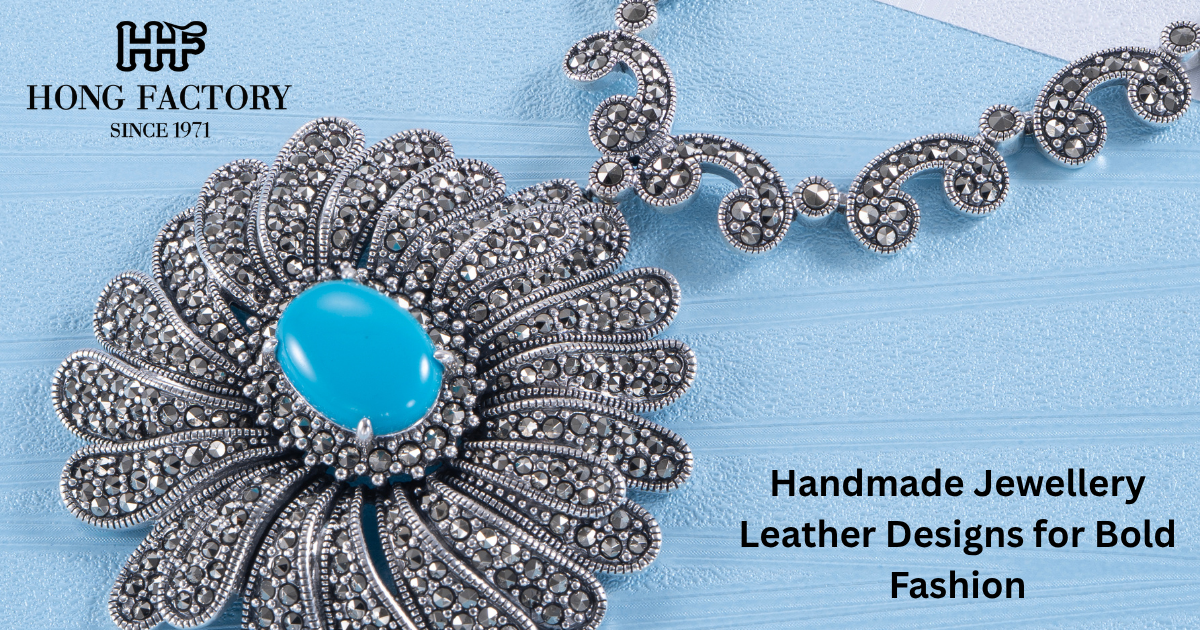
Introduction to Leather Handmade Jewellery
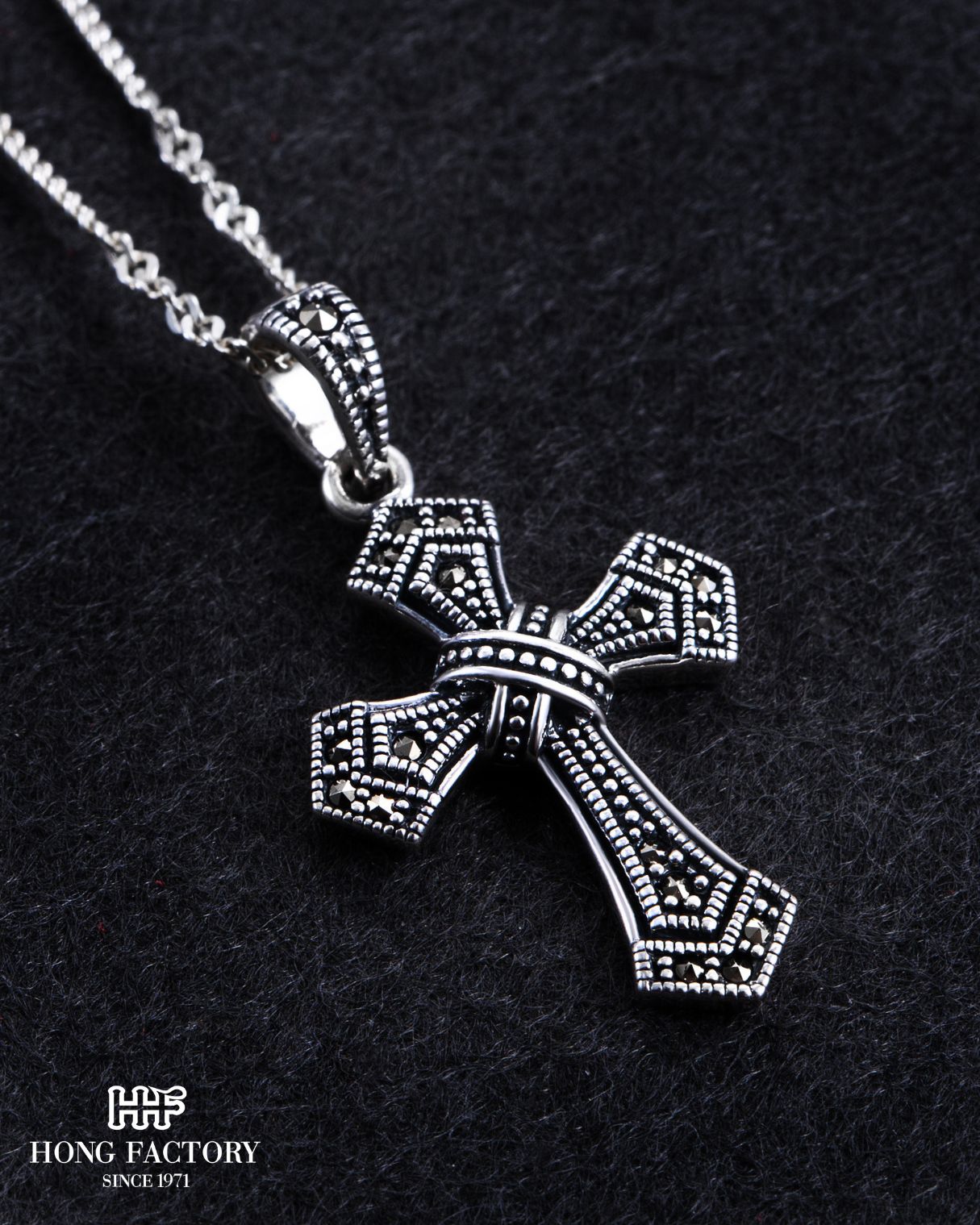
Handmade jewellery using leather is a bold and stylish option that appeals to customers who want something different. Leather jewellery combines strength, texture, and a natural look, making it perfect for modern and edgy fashion styles.
For beginners, leather is an easy material to work with and allows you to create unique designs without complex tools. It is widely used in bracelets, necklaces, and even earrings.
Why Leather Is Popular in Handmade Jewellery
Leather jewellery stands out because of its strong visual identity and durability.
Key benefits include:
- Durable and long-lasting material
- Unique texture and natural appearance
- Suitable for both men’s and women’s jewellery
- Easy to combine with other materials
These features make leather jewellery a strong niche in the handmade market.
Types of Leather Used in Jewellery Making
Different types of leather offer different looks and flexibility.
Common options include:
- Genuine leather for durability
- Faux leather for eco-friendly alternatives
- Suede for a soft texture
Choosing the right type depends on your design and target market.
Handmade Jewellery Leather Bracelet Designs
Leather bracelets are one of the most popular products in this category.
Popular styles include:
- Wrap bracelets with multiple layers
- Braided leather designs
- Minimalist leather bands
These designs are easy to create and have strong demand.
Handmade Jewellery Leather Necklace Styles
Leather necklaces offer a bold and casual look.
Examples include:
- Leather cord necklaces with pendants
- Layered leather necklaces
- Choker-style leather designs
These pieces are suitable for everyday wear and statement fashion.
Handmade Jewellery Leather Earrings Designs
Leather earrings are lightweight and stylish.
Popular ideas include:
- Cut-out geometric shapes
- Fringe or tassel designs
- Minimalist leather drops
These designs are trendy and easy to produce.
Combining Leather with Other Materials
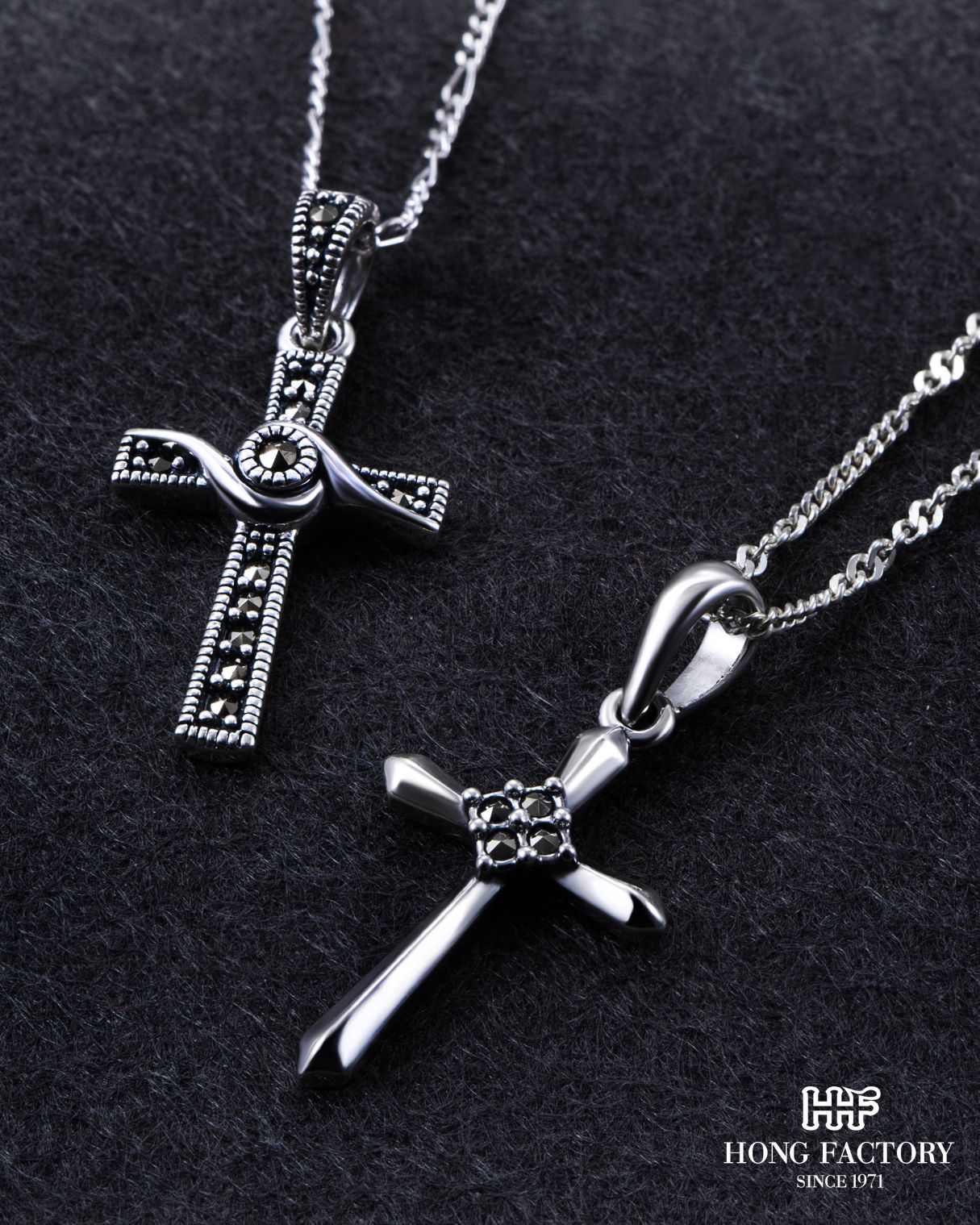
Leather works well with many other materials, allowing for creative designs.
Examples include:
- Leather with metal for a modern look
- Leather with beads or stones for texture
- Leather with wood for a natural style
Mixing materials helps create unique products.
Handmade Jewellery Leather Cutting and Shaping Techniques
Proper cutting and shaping are important for clean designs.
Tips include:
- Use sharp cutting tools
- Plan shapes before cutting
- Smooth edges for a professional finish
Clean shaping improves product quality.
Handmade Jewellery Leather Coloring and Finishing
You can enhance leather with color and finishing techniques.
Ideas include:
- Dyeing leather for custom colors
- Adding protective coatings
- Using embossing for texture
Finishing adds value and durability.
Selling Leather Handmade Jewellery Online
To sell leather jewellery successfully:
- Use lifestyle photos to show style
- Highlight texture and material quality
- Target specific audiences (e.g., boho or edgy fashion)
Strong presentation helps attract the right customers.
Pricing Handmade Jewellery Leather Products
Leather jewellery pricing depends on design and material quality.
Consider:
- Type of leather used
- Design complexity
- Target market
Offering a range of styles can increase sales.
Common Mistakes in Leather Jewellery Design
Avoid these mistakes:
- Using low-quality leather
- Rough or uneven edges
- Overcomplicated designs
Simple and clean designs are more effective.
Conclusion
Handmade jewellery leather designs are perfect for bold and creative fashion. With the right materials and techniques, beginners can create stylish products that stand out in the market.
The key is to focus on quality, design balance, and target audience. Leather jewellery offers a unique opportunity to build a strong and distinctive handmade jewellery brand.