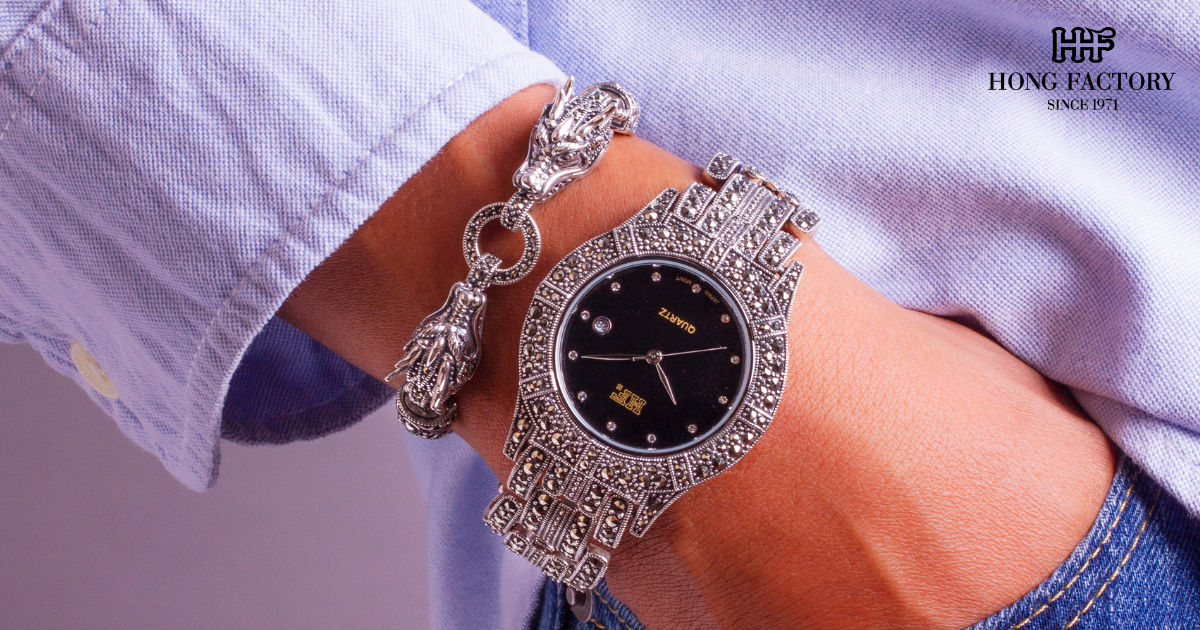
Traditional silverwork plays a defining role in the beauty, durability, and character of marcasite jewelry. While marcasite stones contribute the signature sparkle, it is the craftsmanship of sterling silver that forms the foundation of every piece. From hand-carved filigree to oxidized details and precision-set stone beds, traditional silverworking techniques elevate marcasite jewelry from simple accessories to heirloom works of art.
In this chapter, we explore the history of silver craftsmanship, the methods artisans use to create intricate marcasite designs, the tools involved, and how traditional techniques coexist with modern innovations. marcasite jewelry
The Historical Relationship Between Silver and Marcasite
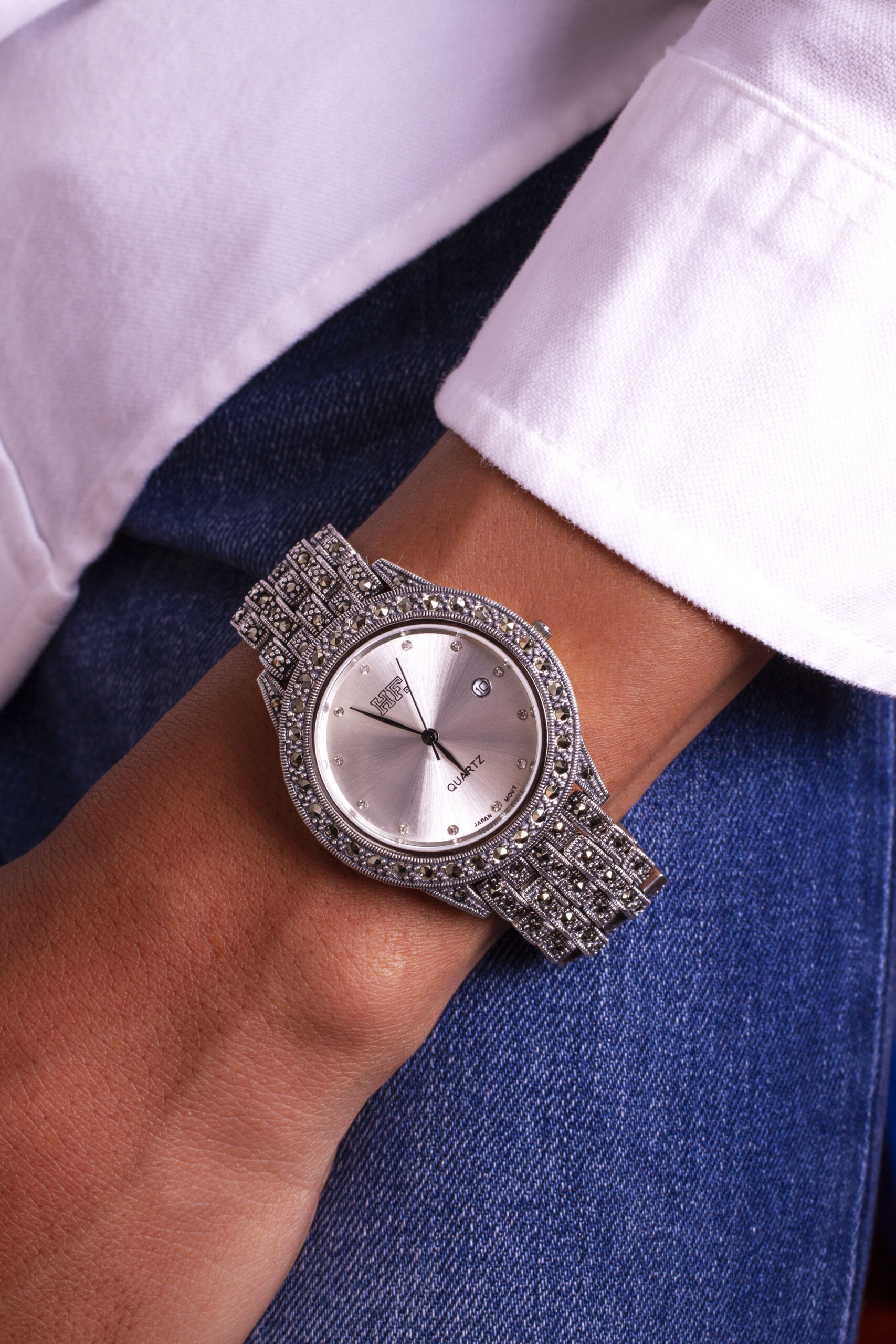
Silver has been used in jewelry for over 6,000 years, prized for its beauty, durability, and malleability. When marcasite jewelry rose in popularity during the Victorian and Art Deco eras, sterling silver became the perfect partner due to its cool tone and reflective quality.
Why silver became the preferred metal:
- Soft enough for intricate carving
- Strong enough to hold tiny marcasite stones
- Complements marcasite’s grey metallic sparkle
- Affordable compared to gold and platinum
- Easy to oxidize for antique-style finishes
This historical connection created a design tradition that continues today.
The Importance of Handcrafted Silverwork
Although advances in technology have introduced machine-made silver jewelry, true marcasite artistry still relies on handcraftsmanship.
Benefits of traditional silverwork:
- More detailed and refined patterns
- Stronger and more secure stone settings
- Artistic uniqueness—no two handcrafted pieces are identical
- Long-lasting structure suitable for heirloom quality
Handcrafted silverwork adds emotional and artistic value.
The Process of Crafting Silver for Marcasite Jewelry
Creating a marcasite piece requires precise and multi-step silverworking techniques.
Step 1: Designing the Silver Framework
The artisan begins with a conceptual sketch or design blueprint.
- Outlines where marcasite stones will be placed
- Determines thickness of silver
- Defines filigree, motifs, borders, and symmetry
Design must account for the small size of marcasite stones and their required placement.
Step 2: Cutting and Shaping Silver
The silver—usually 92.5% sterling silver—is turned into sheets, wires, or cast forms.
Techniques include:
- Sawing delicate shapes
- Hammering and forging curves
- Carving recesses for setting stones
- Creating bezels or channels
- Forming structural components like clasps and hinges
Precision is crucial because thin silver areas can weaken settings.
Step 3: Engraving and Decorative Detailing
Hand engraving is a traditional skill used to add personality and complexity.
Engraving styles include:
- Floral etching (Victorian styles)
- Geometric carving (Art Deco styles)
- Scrollwork and ornamental textures
- Line patterns to frame stone clusters
These tiny details elevate the design and enhance sparkle.
Step 4: Creating Stone Seats
To securely set marcasite stones, artisans carve miniature seats into the silver.
Methods include:
- Hand-beading
- Drilled depressions
- Carved channels
- Micro-cut prong bases
This stage requires extreme precision due to the tiny size of marcasite stones.
Step 5: Filigree Work
Filigree is the art of twisting thin silver wires into patterns. It is widely used in vintage-inspired marcasite jewelry.
Filigree styles:
- Scrolls
- Flowers
- Latticework
- Curved motifs
Filigree softens the metallic look of silver and adds elegance.
Step 6: Oxidation to Enhance Depth
Oxidation is the blackening of silver through chemical processes. This technique adds dimension and vintage charm.
Benefits of oxidation:
- Highlights beadwork and engraving
- Enhances contrast around marcasite stones
- Creates an antique or Victorian feel
- Softens reflective glare for a richer look
Oxidized silver is a signature feature of marcasite jewelry.
Step 7: Polishing and Finishing
The final stage is polishing, which smooths and brightens the silver surface.
Polishing techniques:
- Hand polishing with cloth
- Rotary buffing for smooth areas
- Careful detailing around stones
Over-polishing must be avoided as it can loosen marcasite settings.
Decorative Silver Techniques Used in Marcasite Jewelry
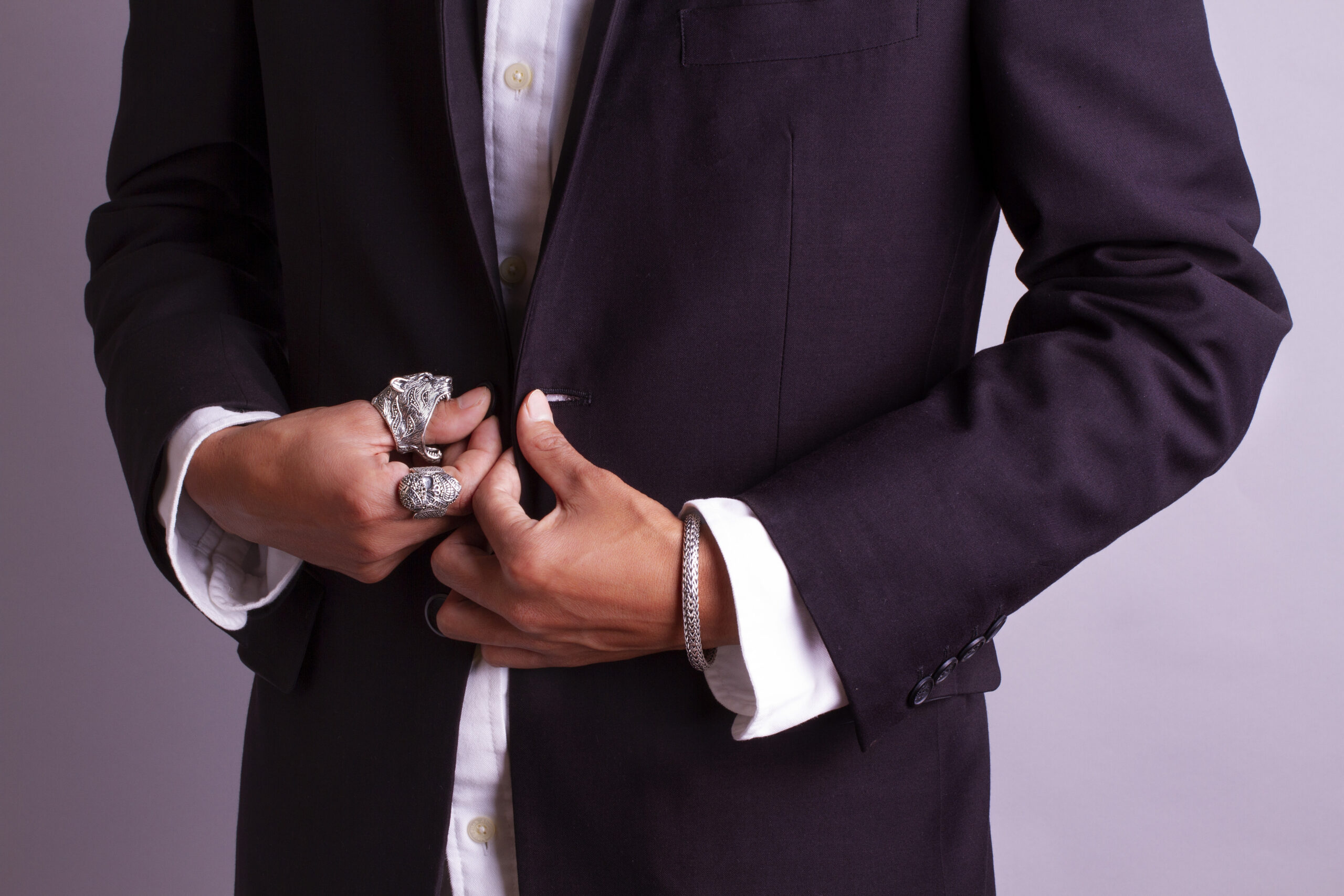
Master artisans employ a variety of traditional techniques to achieve distinctive styles.
1. Milgrain Decoration
Milgrain creates tiny beaded borders along the silver edges.
Purpose:
- Adds ornate elegance
- Enhances vintage aesthetic
- Frames marcasite clusters beautifully
Milgrain is a staple of Victorian and Art Deco-inspired designs.
2. Repoussé and Chasing
These techniques shape silver from the front and back to create raised designs.
Repoussé:
- Hammering from the reverse to raise patterns
Chasing:
- Detailing the raised area from the front
These methods enrich jewelry with sculptural depth.
3. Hand-Carved Borders
Borders around pendants, brooches, and rings are often carved by hand.
Common borders:
- Rope twist
- Floral vine
- Geometric ridges
Borders define the silhouette and add expressive character.
4. Pierced Silverwork
Artisans cut patterns into the silver sheet, leaving open spaces.
Benefits:
- Lightens the piece visually
- Adds lace-like appearance
- Enhances Art Deco or Edwardian styles
Pierced work requires steady hands and refined sawing skills.
5. Soldering and Assembly
When a piece has multiple parts, artisans solder silver components together.
Precision soldering ensures:
- Clean joins
- Invisible seams
- Strong, durable structure
Complex marcasite jewelry relies heavily on expert soldering.
Handmade vs Machine-Made Silverwork
Handmade silverwork:
- Intricate details
- Stronger stone settings
- Higher artistic value
- Smoother finishing
Machine-made silverwork:
- Faster production
- Lower cost
- Less intricate details
- Uniform appearance but reduced artistry
Collectors overwhelmingly prefer handmade pieces.
How Silverwork Influences Marcasite Jewelry Value
The quality of silverwork directly affects:
- Jewelry durability
- Aesthetic appeal
- Stone security
- Collector value
- Market price
Even with identical stones, superior silverwork dramatically elevates the piece.
The Global Artisans Behind Marcasite Silverwork
Some regions are especially known for outstanding silver craftsmanship.
Notable centers:
- Thailand (Chiang Mai) – world leader in marcasite jewelry manufacturing
- Germany (Idar-Oberstein region) – historic marcasite cutting and silverwork
- United Kingdom – strong Victorian tradition
- China – growing manufacturing hub
These regions preserve traditional silverworking methods while adapting to modern trends.
Modern Innovations in Traditional Silverwork
While artisans honor historical methods, new innovations enhance their work.
Examples:
- Laser precision cutting
- Improved soldering tools
- Enhanced oxidation control
- CAD-assisted design development
Yet hand-setting and hand-finishing remain essential to high-quality marcasite jewelry.
Why Traditional Silverwork Complements Marcasite Perfectly
Marcasite stones require:
- Stability
- Clean lines
- Detailed backgrounds
- Strong metal support
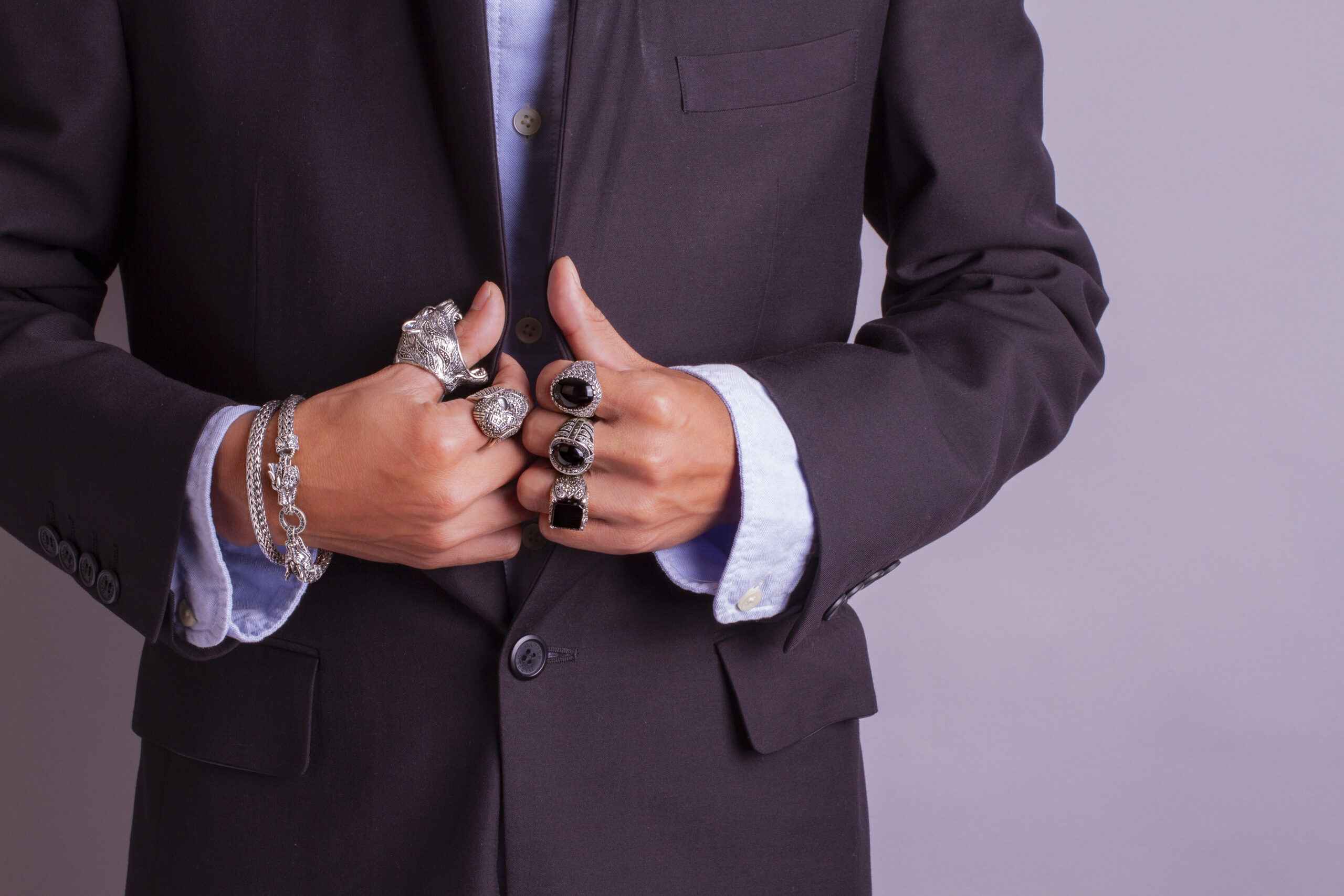
Traditional silverwork provides all of these and more, creating pieces that:
- Sparkle beautifully
- Feel balanced and elegant
- Withstand daily wear
- Showcase artistic craftsmanship
The harmony between marcasite and sterling silver defines the charm of the jewelry.
Conclusion
Traditional silverwork is the backbone of marcasite jewelry. From filigree and oxidation to stone seat carving and hand-finishing, artisans blend artistry with precision to create pieces that capture the allure of vintage charm and timeless elegance. Without exceptional silverwork, marcasite jewelry would lose its structural integrity, emotional resonance, and visual richness.
In the next chapter, we will explore innovative marcasite jewelry designs, discovering how modern artists reinterpret this historic craft for a new generation of jewelry lovers.